Two men with the same thinning pattern can walk out of the same Gastonia shop looking noticeably different, because thinning hair is a decision problem more than a cutting problem. Length, sides, texture, and styling each push the appearance one way or the other, and the right combination depends on where your hair is thinning and how much upkeep you will honestly do. Landry's Barber Shoppe handles this conversation across its classic haircuts and fades every week.
Use this as a decision guide: find your situation in the table, take the matching recommendation, and understand the reasoning well enough to adjust it with your barber rather than recite it.
Choose by pattern and lifestyle
| Your situation | Recommended direction | Why it works | Watch out for |
|---|---|---|---|
| Thinning crown, decent front | Short, even top with a close taper or fade | Uniform length stops crown strands from separating and showing scalp in strips | Growing the back longer to cover the crown; it separates and advertises it |
| Receding hairline, thick elsewhere | Textured crop or short fringe worn forward | Forward texture sits naturally at the hairline instead of sweeping back and exposing it | Long, slicked-back styles that frame the recession |
| Overall diffuse thinning | One even, shorter length all over | Consistency removes the thick-versus-thin comparison between sections | Keeping any long section; it looks thin next to the rest |
| Early thinning, strong density left | Keep moderate length, add texture, tighten the cut interval | You still have material to work with; shape and upkeep carry it | Wet-look products that clump strands and invent thinning you do not have yet |
| Advanced thinning, minimal coverage | Uniform clipper cut or a close fade with very short top | Ends the contrast contest entirely and reads as a deliberate style | Half-measures at medium length, which satisfy nobody |
The reasoning underneath the table
Perceived thickness is mostly about contrast and separation. Scalp shows when strands part and light reaches the skin; anything that keeps strands short, even, and overlapping reduces that show-through. Length works against you twice in thin areas: longer strands are heavier, so they separate under their own weight, and they reveal more scalp per strand because each one covers a line rather than a surface.
Sides matter by comparison. Full, puffy sides under a thin top make the top look thinner than it is, which is why so many of the recommendations involve taking the sides closer. The goal is proportion: no section should look dramatically fuller than the section next to it.
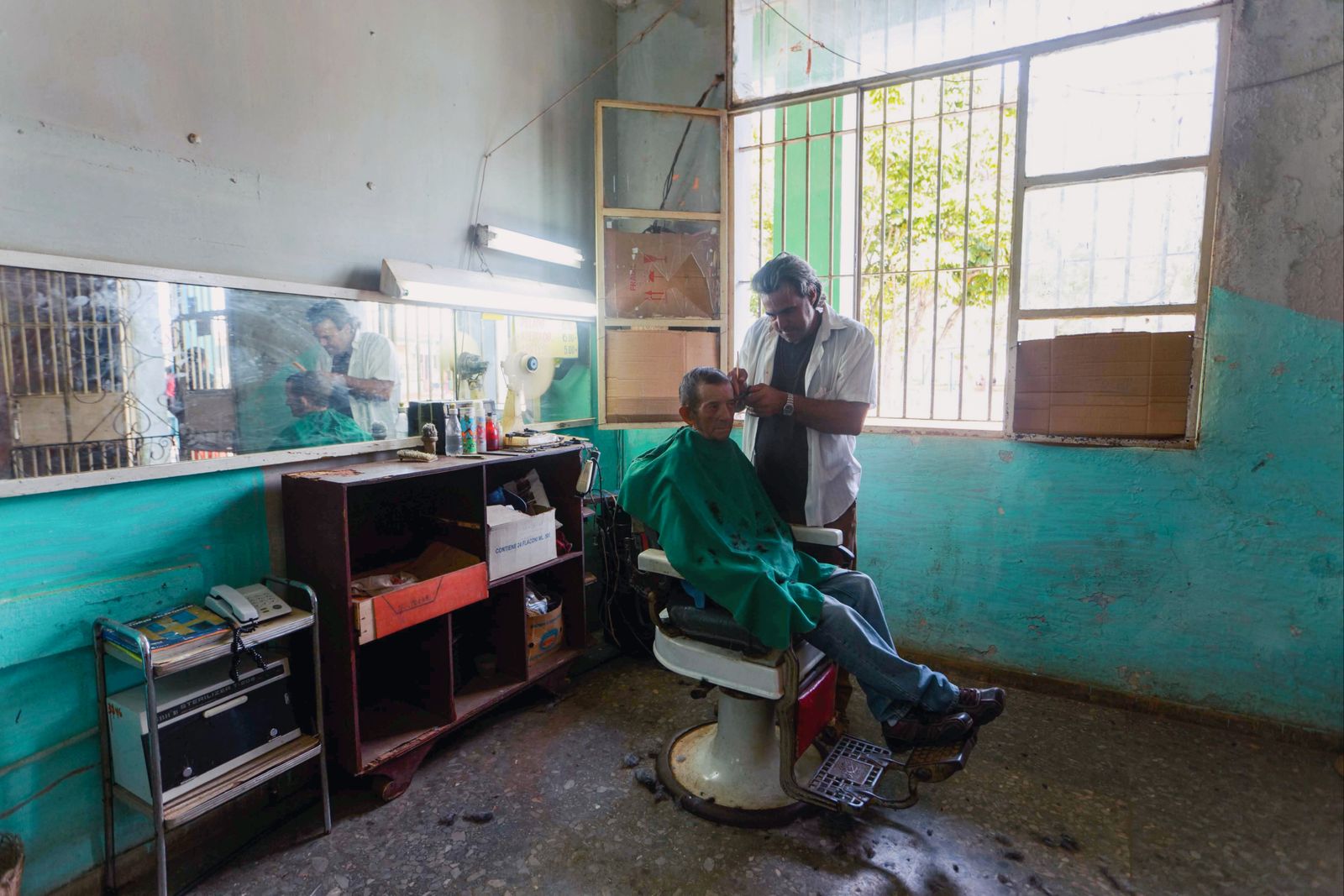
Styling decisions that support the cut
Choose matte, dry-finish products and use less than feels natural; on fine hair, a pea-sized amount is a real dose. Shine is the enemy, because glossy strands clump and the scalp between them catches light. Apply product to dry hair, work it through with fingers rather than a comb, and stop while it still looks slightly unfinished, which on thin hair reads as natural fullness.
In Gastonia summers, humidity shortens every style's working day. Fine hair goes flat in damp air, so a morning blow-dry, two minutes lifting the front with warm air, buys hours of lift that product alone will not. It is an unfashionable tip and the most effective one in this section.
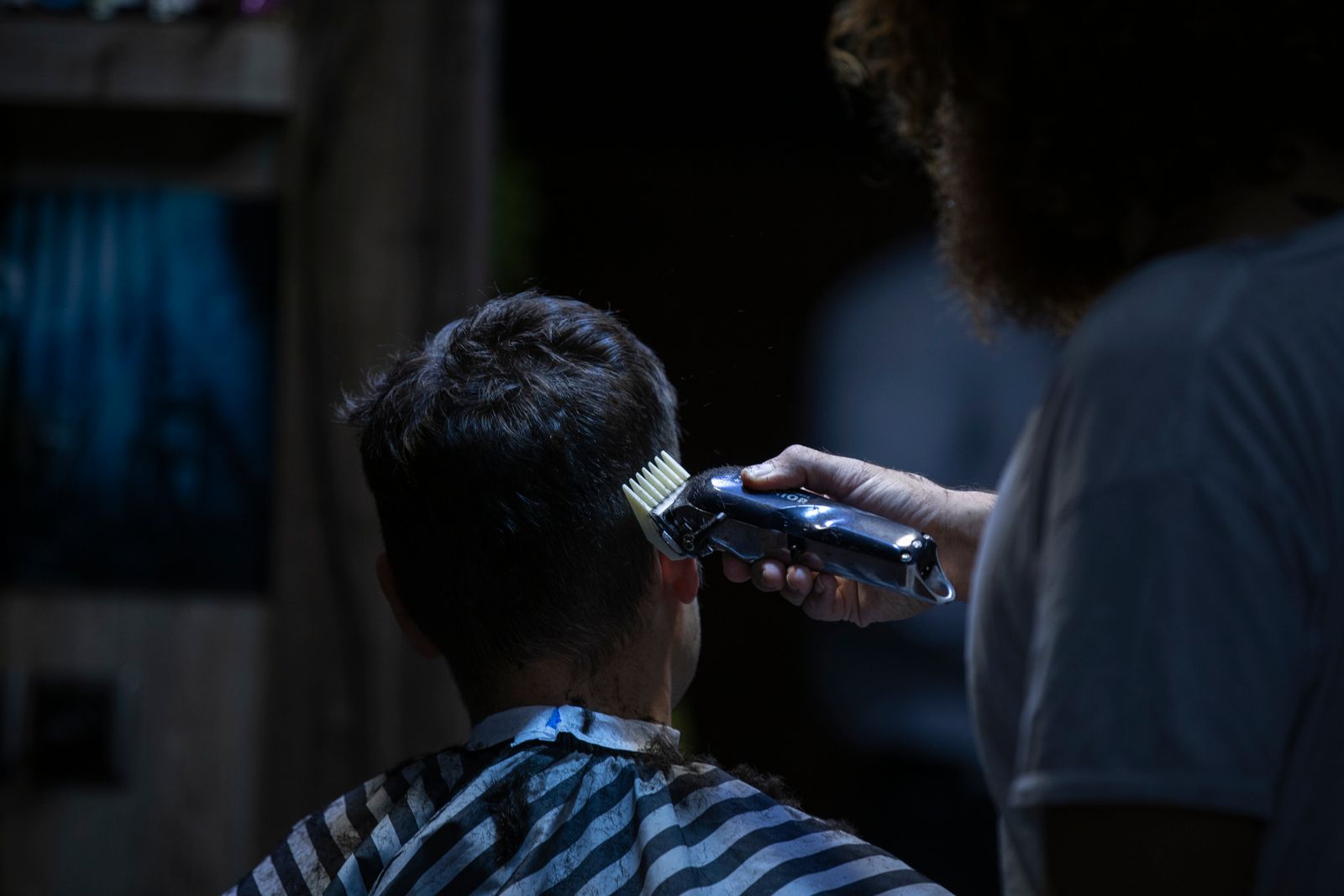
Making the decision in the chair
Bring the barber the facts: where you notice thinning, what you have been doing to hide it, and how short you are willing to go. A staged approach settles most hesitation: go shorter in two steps across two visits, living with each for a few weeks. Men deciding at Landry's Barber Shoppe often find the first step already solves the problem and the second never becomes necessary. What does not work is deciding nothing and letting the hair make the decision by default.
Sun deserves a place in the decision as well. Thinner coverage means more scalp meeting direct sun, and Gastonia summers are not gentle about it. A hat outdoors and sunscreen on exposed scalp are now part of the grooming routine, not an afterthought. Men often discover a sunburned part line before they think of this, and one peeling week is enough to teach the habit permanently.
Common questions
Will a fade make thinning look better or worse?
Better, in most patterns, because close sides restore proportion and stop the top from being compared with fuller hair. The exception is very advanced loss, where one uniform length is cleaner.
Should thinning hair be cut wet or dry?
Barbers often assess it dry, because wet thin hair clings and hides how sparse it really is. The cut itself may use both, but the length decisions should be made on dry hair.
How short is too short for thinning hair?
Shorter than your comfort is too short, and that is a legitimate limit. Even a modest reduction in length with better proportion usually improves things; the buzz end of the scale is an option, not a requirement.
Photos in this guide are representative stock images.
← All guides from Landry's Barber Shoppe← Back to Landry's Barber Shoppe